
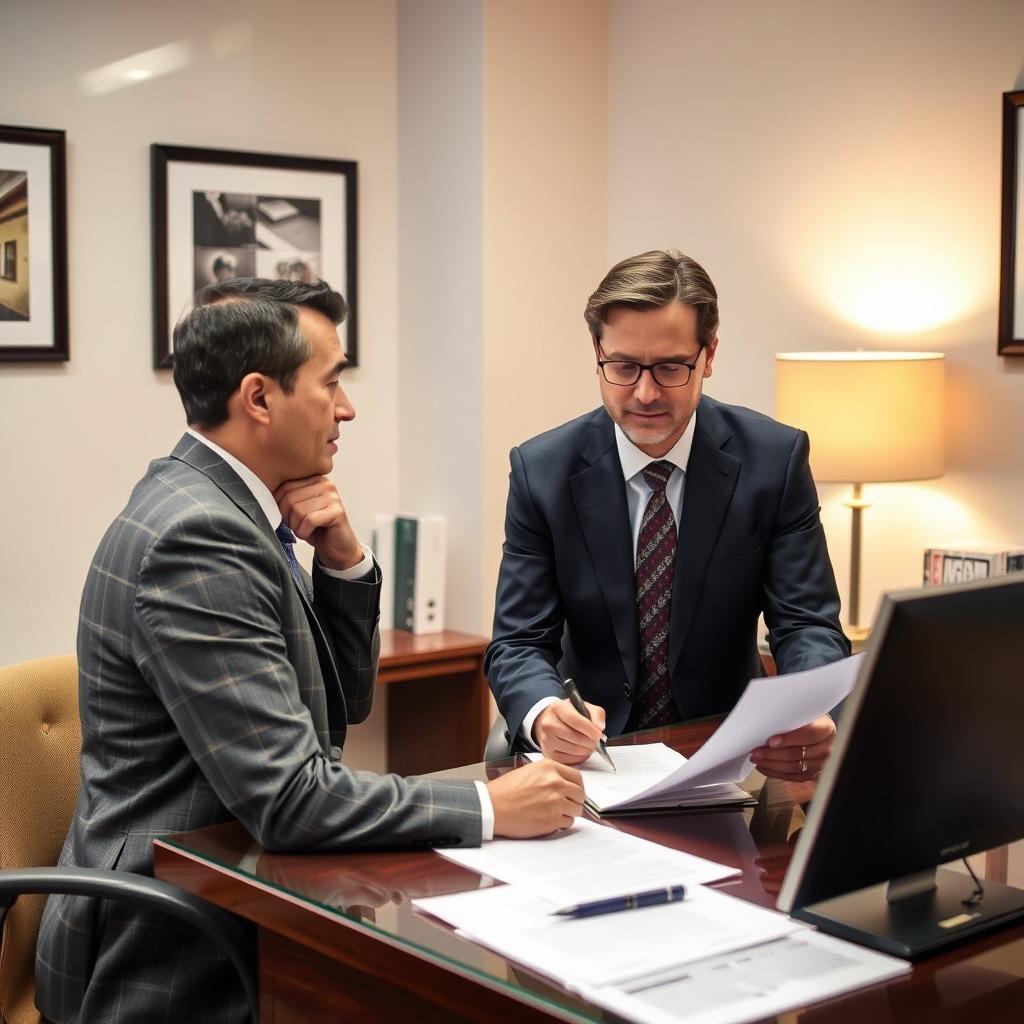
Do I need a lawyer for a car accident in Logan Circle
You are not legally required to hire a lawyer after a car accident in Logan Circle, but having experienced representation can make a significant difference in the outcome of your claim. The District of Columbia follows a strict contributory negligence standard, which means if you are found even one percent at fault for the accident, you can be completely barred from recovering compensation. Insurance adjusters are trained to look for any evidence that could shift fault onto you, and they often try to settle claims quickly before you fully understand the extent of your injuries or the value of your losses. A lawyer who concentrates in personal injury cases can investigate the accident, gather evidence, negotiate with insurers, and, if necessary, take your case to court at the D.C. Superior Court. For a consultation about your specific situation, reach Law Offices Of SRIS, P.C. at (888) 437-7747.
Why DC’s Contributory Negligence Rule Makes Legal Representation Critical
Washington, D.C. Is one of the few jurisdictions that still applies the pure contributory negligence rule. Under this standard, a plaintiff who bears any share of responsibility for an accident cannot recover damages from the other party. For example, if you were struck by a driver who ran a red light at the intersection of 14th Street and N Street NW, but an investigation suggests you were speeding slightly, the insurance company may argue that you share a percentage of fault. Even a finding of one percent fault on your part would eliminate your right to compensation. An experienced personal injury attorney can anticipate these arguments and build a case that clearly establishes the other driver’s liability. Law Offices Of SRIS, P.C. represents car accident victims in Logan Circle and throughout the District, working to preserve your right to recover for medical bills, lost wages, and pain and suffering.
In addition to the contributory negligence hurdle, there are procedural deadlines that must be met. Under D.C. Code § 12-301(8), a personal injury lawsuit arising from a car accident must be filed within three years of the accident date. Failing to meet this deadline can forever bar your claim, regardless of how strong it may be. An attorney can ensure that all necessary paperwork is filed correctly and on time, and can manage communication with insurance carriers so you can focus on your recovery. For many people, navigating the legal system while dealing with injuries and property damage is overwhelming—having a knowledgeable guide makes the process far more manageable.
Frequently Asked Questions
What is contributory negligence and how does it affect my car accident claim in D.C.?
Contributory negligence is a legal rule in the District of Columbia that bars an injured person from recovering any compensation if they are found even one percent at fault for the accident. Unlike most states that use comparative negligence, which allows recovery reduced by the plaintiff’s share of fault, D.C.’s pure contributory negligence rule means the insurance company needs only a sliver of evidence against you to deny payment. An attorney can help by gathering witness statements, traffic camera footage, and police reports that support your version of events and counter any claims that you were at fault.
How long do I have to file a car accident lawsuit in Washington, D.C.?
You have three years from the date of the accident to file a personal injury lawsuit in the District of Columbia, pursuant to D.C. Code § 12-301(8). This statute of limitations is strict. If you miss the deadline, the court will almost certainly dismiss your case. The timeline applies regardless of whether you are still negotiating with the insurance company; it is important to have an attorney evaluate your case well before the three-year mark to protect your rights.
What should I do immediately after a car accident in Logan Circle?
After a car accident in Logan Circle, prioritize safety, call 911 to report the crash, seek medical attention even if you feel fine, and document the scene as thoroughly as possible. Take photos of the vehicle damage, the intersection, traffic signs, and any visible injuries. Gather contact information from the other driver and any witnesses. Do not admit fault or speculate about what happened. Notify your insurance company, but keep your statements brief. Then contact an attorney who can handle communications with the adjuster and advise you on the next steps.
How does insurance work after a car accident in D.C.?
The District of Columbia requires all drivers to carry liability insurance, and it also mandates uninsured motorist coverage on every auto policy. After an accident, you may file a claim with the at-fault driver’s insurer, or with your own policy under the uninsured/underinsured motorist provision if the other driver lacks sufficient coverage. Insurance companies, however, are for-profit businesses that aim to minimize payouts. An attorney can handle the negotiation process, build a demand package that includes medical records and lost wage documentation, and push for a settlement that reflects the full value of your claim.
What damages can I recover in a D.C. Car accident claim?
If you are not barred by contributory negligence, you may recover economic damages such as medical expenses and lost wages, as well as non-economic damages for pain and suffering. In cases of egregious misconduct, punitive damages may also be available. The District does not cap compensatory damages in most personal injury cases, but the amount recoverable depends on the severity of your injuries, the long-term impact on your life, and the available insurance coverage. An experienced attorney can evaluate your situation and explain the categories of damages that may apply.
How do I prove liability after a car accident in Logan Circle?
Proving liability requires showing that the other driver breached their duty of care and that the breach caused your injuries. Evidence may include traffic citations issued to the other driver, eyewitness accounts, surveillance video from nearby businesses or traffic cameras, and data from vehicle event recorders. An attorney can subpoena records, work with accident reconstruction attorneys, and build a detailed narrative that demonstrates the other party’s responsibility. In Logan Circle, with its mix of narrow residential streets and busy arteries, factors like failure to yield, speeding, and distracted driving are common causes of collisions.
What if the other driver was uninsured or underinsured?
If the at-fault driver has no insurance or insufficient coverage, you can turn to your own uninsured/underinsured motorist (UM/UIM) coverage, which is required by D.C. Law. Your own insurer essentially stands in the shoes of the absent or underinsured driver, but it may still dispute the value of your claim. An attorney can help you present a strong UM/UIM claim and, if the insurer acts in bad faith, explore additional legal options. It is also possible that other parties, such as a vehicle owner or employer, may share liability.
How is a car accident case handled at D.C. Superior Court?
Car accident lawsuits in the District of Columbia are filed in the Civil Division of the D.C. Superior Court, located at 500 Indiana Avenue NW, within a short ride from Logan Circle. After a complaint is filed, the case proceeds through discovery, where each side exchanges evidence and may conduct depositions. Most cases are resolved through settlement negotiations or mediation before trial. If a trial becomes necessary, a judge or jury will decide liability and damages. An attorney familiar with local court procedures and the preferences of the judges in the Civil Division can help you navigate the process efficiently.
How does Law Offices Of SRIS, P.C. handle car accident cases in Logan Circle?
Law Offices Of SRIS, P.C. handles car accident cases by investigating the collision, identifying all potentially liable parties, managing insurance claims, and, if a fair settlement cannot be reached, preparing the case for trial at the D.C. Superior Court. The firm works with medical professionals, accident reconstruction attorneys, and life-care planners to document the full extent of your losses. Communication with clients is a priority: you will be informed about developments and strategy decisions. Representation is provided on a contingency fee basis, meaning you pay no fee unless a recovery is obtained.
How much does it cost to hire a car accident lawyer in D.C.?
Most car accident lawyers in the District of Columbia, including Law Offices Of SRIS, P.C., work on a contingency fee arrangement—you do not pay a fee unless the firm recovers compensation on your behalf. The fee is typically a percentage of the recovery, and the specific percentage will be discussed during your initial consultation. This structure allows injured people to pursue legal representation without upfront costs. For a consultation about your car accident case, call (888) 437-7747.
About Mr. Sris and His Of Counsel Team
Mr. Sris, Owner and Founder of Law Offices Of SRIS, P.C., has been practicing law since 1997. A former prosecutor, he understands how the other side builds its cases and uses that insight to represent individuals who have been injured in car accidents. Mr. Sris is admitted to practice in Virginia, Maryland, the District of Columbia, New Jersey, and New York. He leads a team of experienced Of Counsel attorneys who bring over 120 years of combined legal experience. Results may vary. Together they have documented more than 4,739 case results since 1997.
The firm serves clients in Logan Circle and throughout Washington, D.C., from its Arlington Location at 1655 Fort Myer Dr, Suite 700, Room 719, Arlington, VA 22209. To schedule a consultation, call (888) 437-7747 or contact us online. Phones are answered 24 hours a day, 365 days per year.
Attorney advertising. Prior results do not guarantee a similar outcome.
Results may vary.
Case results depend on a variety of factors unique to each case.